Blog

Helping Your Children Stay Safe Online While Co-Parenting

Parents holding their child's hands while walking outdoors.

Have you thought about how technology affects your children when co-parenting? In today's digital age kids are connected more than ever. Balancing online freedom with safety can feel challenging, especially when parenting from separate households.

Co-parenting now involves more than just schedules and drop-offs. Setting clear digital boundaries and communicating with your co-parent about online safety is essential to protecting your children while fostering a healthy relationship with both parents.

1. Establish Clear Online Rules Discuss with your co-parent what is acceptable online and what is not. This includes social media usage, gaming platforms, and messaging apps. Consistency between households ensures children understand boundaries and reduces conflicts.

2. Monitor Without Invading Privacy It is important to respect your children's need for some privacy while keeping them safe. Using parental controls or agreed-upon check-ins can help prevent risky behavior while maintaining trust. Make sure both households follow the same approach.

3. Talk About Online Risks Teach your children about online dangers such as cyberbullying, sharing personal information, and interacting with strangers. Encourage open communication so they feel comfortable reporting concerns to either parent.

4. Update Legal and Estate Planning Tools While co-parenting, make sure your estate planning tools reflect your family's current situation. This may include guardianship provisions for your children and durable powers of attorney that account for digital responsibilities in case of emergencies.

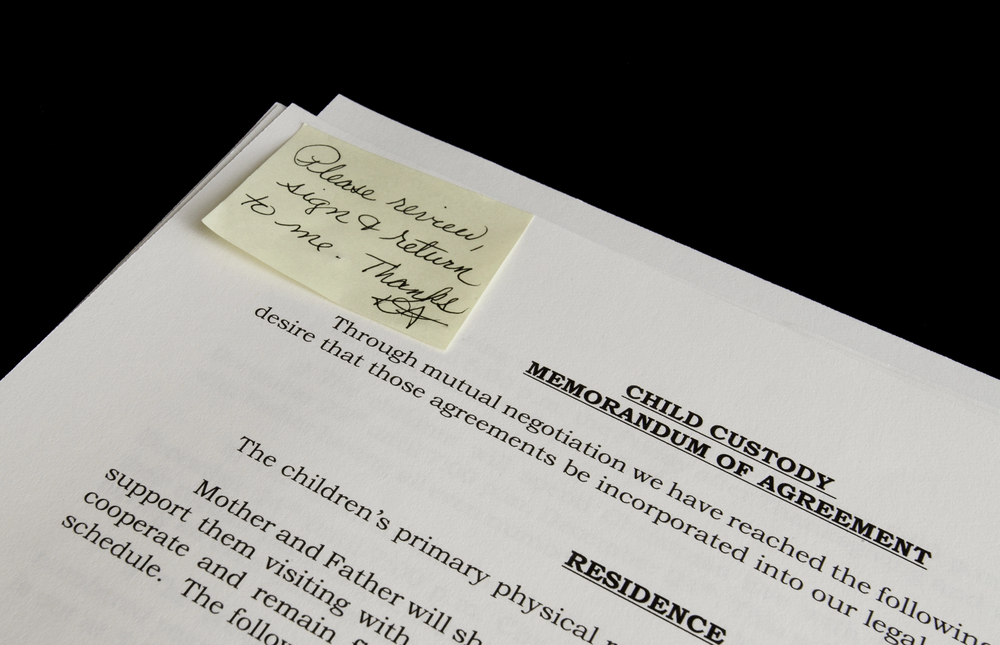
5. Document Agreements Consider including online safety agreements in your co-parenting plan. Having these agreements in writing ensures clarity for both parents and can prevent disputes in the future.

Recommended Posts

Porter Family Law graphic highlighting the top 10 mistakes to avoid during a divorce in Utah

Top 10 Mistakes to Avoid During a Divorce (Utah)

Quick answer: Divorce in Utah involves important decisions about property, finances, and children. Common mistakes—like hiding assets, ignoring mediation, or making impulsive financial moves—can complicate the process and affect your outcome. Working with a qualified divorce attorney can help you avoid these missteps from the start. Divorce is one of the most significant legal processes a person can go through. The decisions you make early on can affect your finances, your property, and most importantly, your children. Mistakes happen—but some carry real consequences that can be difficult to undo. This guide outlines 10 of the most common errors Utah residents make during divorce, and what you can do to avoid them. more What are the most common mistakes people make during a Utah divorce? 1. Hiding Assets or Financial Information Attempting to conceal assets during divorce is not only unethical—it can seriously backfire. Utah follows equitable distribution principles, meaning marital property is divided fairly, though not necessarily equally. Courts require full financial transparency, and attempting to hide assets can result in serious legal consequences, including an unfavorable division of property. How to avoid it: Disclose all financial information fully and promptly. Work with your attorney to understand what qualifies as marital property under Utah law. 2. Delaying Financial Disclosures Dragging your feet on financial disclosures can slow the entire divorce process and signal bad faith to the court. Timely disclosure of income, assets, and debts keeps proceedings on track and protects your credibility. How to avoid it: Gather financial documents early—tax returns, bank statements, retirement accounts, and debt records—and provide them to your attorney as soon as possible. 3. Forgetting to Update Estate Planning Documents Divorce changes everything, including who inherits your assets. Many people forget to update their wills, beneficiary designations on retirement accounts, and life insurance policies until it's too late. How to avoid it: Review and update all estate planning documents as soon as your divorce proceedings begin. Do not wait until the final decree is issued. 4. Oversharing on Social Media A photo, a post, or even a comment can be used as evidence in custody or financial disputes. What you share online during a divorce can undermine your case in ways you might not expect. How to avoid it: Limit your social media activity throughout the divorce process. Avoid posting about your finances, new relationships, travel, or anything that could be misinterpreted in court. 5. Making Impulsive Financial Decisions Selling property, making large purchases, or withdrawing from joint accounts without understanding the legal implications can complicate property division and put you at a disadvantage. How to avoid it: Consult your Utah divorce attorney before making any significant financial decisions. Even well-intentioned moves can have unintended consequences during ongoing proceedings. 6. Failing to Follow Custody Orders Utah courts determine custody based on the best interests of the child. Violating a court-approved parenting schedule—even once—can damage your credibility and potentially affect future custody determinations. How to avoid it: Follow all court-approved parenting schedules consistently. If circumstances change, seek a formal modification rather than making informal adjustments. 7. Moving Out Without Understanding the Impact Leaving the family home may feel like the right move, but it does not eliminate your property rights. It can, however, affect custody arrangements and be interpreted as abandonment in some situations. How to avoid it: Speak with a family law attorney before making any decision to vacate the marital home. Understand both the property and custody implications before you act. 8. Relying on Informal Agreements Verbal agreements with your spouse—no matter how amicable the relationship—are difficult to enforce. Without a court-approved agreement in writing, there is little legal protection if the other party changes their mind. How to avoid it: Ensure all agreements regarding property, support, and custody are formalized in writing and approved by the court. 9. Ignoring Mediation Options Divorce mediation Utah residents participate in can often resolve disputes more efficiently than going to court. Utah courts may require or strongly encourage mediation, particularly in cases involving custody and property disputes. How to avoid it: Approach mediation with an open mind. A skilled mediator can help both parties reach agreements on custody, finances, and property division while reducing time and costs. 10. Ignoring Available Enforcement Options If your former spouse fails to comply with a court order—whether related to child support, alimony, or custody—you have legal remedies available. Ignoring violations can allow the situation to worsen over time. How to avoid it: Document any violations and consult with a Utah divorce attorney promptly. Legal enforcement options exist and should be pursued when court orders are not followed. What should Utah residents know about divorce law in their state? Utah uses equitable distribution when dividing marital property, meaning the court aims for a fair—not necessarily equal—division based on the circumstances of each case. Financial disclosures are a required part of the process, and incomplete or delayed disclosures can negatively affect proceedings. In many cases, Utah courts will require or encourage divorce mediation before a contested matter proceeds to trial. Understanding these state-specific rules can help you approach your divorce with greater clarity and confidence. Divorce Checklist: What to Keep in Mind Use this as a quick reference throughout your divorce process: Review all financial information and accounts Complete required financial disclosures on time Update your will, beneficiary designations, and insurance policies Be cautious about what you share on social media Follow all court-approved custody orders Avoid major financial decisions without legal guidance Put all agreements in writing and get court approval Consider divorce mediation as a path to resolution Know your enforcement options if court orders are violated Seek legal guidance early and throughout the process Frequently Asked Questions About Divorce in Utah Does Utah require mediation before a divorce goes to trial? In many cases, yes. Utah courts often require or strongly encourage mediation—particularly in contested custody and property disputes—before scheduling a trial. Divorce mediation in Utah can save time, reduce costs, and give both parties more control over the outcome. How does Utah divide marital property in a divorce? Utah follows equitable distribution, meaning courts divide marital property fairly based on the specific circumstances of each case. This does not always mean a 50/50 split. Factors such as each spouse's financial situation, contributions to the marriage, and other relevant considerations may influence the division. What happens if my spouse violates a custody or support order in Utah? Legal remedies are available. You may be able to pursue enforcement through the court, which can include contempt proceedings or other legal action. Documenting violations and acting quickly is important—consult a Utah divorce attorney if this occurs. Can moving out of the family home hurt my divorce case? Potentially, yes. While leaving the home does not automatically forfeit your property rights, it can affect custody arrangements and how the court perceives your situation. Always consult a family law attorney Utah residents trust before making this decision. How long does the divorce process take in Utah? Utah law requires a minimum 30-day waiting period from the time the divorce petition is filed. Uncontested divorces may resolve relatively quickly, while contested cases involving custody, assets, or support can take several months or longer. Ready to Move Forward? Contact Porter Family Law If you are going through a divorce in northern Utah, having the right legal guidance can make a significant difference. At Porter Family Law, we work closely with clients to help them understand their options, protect their rights, and navigate the process with confidence. Our Ogden office serves clients throughout Ogden, Utah and the surrounding areas. Contact us today to schedule a consultation with a divorce lawyer who will listen, advise, and advocate on your behalf. Call us at 801-336-4923 or reach out online to get started.


Porter Family Law graphic featuring The Benefits of Collaborative Divorce for Utah Families with a peaceful family overlooking Utah mountains, representing respectful divorce solutions and family-focused legal guidance

The Benefits of Collaborative Divorce for Utah Families

It's never easy when a marriage ends, but the way you handle the split will greatly affect your future and the future of your children. The collaborative divorce process is an effective way for many couples to reach an agreement without the courtroom battles that can leave lasting scars. An Ogden, UT family law attorney can help you make the most of this possibility. more Collaborative Approaches in Ogden, UT Family Law Starting the process is fairly simple. You and your spouse each hire your own attorney, and you should choose someone trained in the collaborative process. Together you then sign a participation agreement. This commits everyone to resolving the issues outside of court. That agreement must be in writing, must be signed by both of you and your lawyers, and it must state your intention to settle the matter without court involvement. If the process breaks down, your collaborative attorneys will have to withdraw, and you will need new counsel to litigate your divorce. Benefits Control and Privacy Once you begin, you can bring in neutral professionals like financial specialists, child specialists, or coaches, and these experts work for your family as a whole, not for one side. Discussions stay private, and any conversations that happen after the participation agreement is signed remain confidential to the extent the law and your agreement allow. In court, a judge (who has limited time and limited knowledge of your daily life) would make the final calls on your parenting schedules, property division, and support. In the collaborative setting, you and your spouse design the solutions. Cost and Speed Litigation often requires multiple court filings, discovery motions, depositions, and trial preparation. Each of those steps multiplies the number of attorney hours you have to pay for and adds to the expert fees you have to pay. Collaborative work replaces much of that, and while every case is admittedly different, both studies and practitioner data consistently show that the total expense tends to stay lower. The whole thing can usually be done in a shorter time as well; many collaborative matters resolve in a matter of months rather than stretching across years. Peace for Children Children are often the ones who are going to feel the difference most. High-conflict divorce is linked to higher rates of academic difficulties, behavioral problems, and emotional distress in kids, and a large body of research shows that ongoing interparental conflict, more than the divorce itself, drives many of those risks. When parents can lower the temperature and practice respectful communication during the divorce process, the children will ultimately benefit. Preserved Relationships This method of divorce also allows you to protect the possibility of maintaining a workable co-parenting relationship with your ex-spouse. Court battles tend to harden you both in your positions and create lasting resentment, but collaborative meetings give you practice in listening, stating your own needs clearly, and finding middle ground. Those skills will transfer directly into the years of shared parenting to come. If you are weighing your options and want to know whether collaborative divorce could work for your family, talk to us today at Porter Family Law in Ogden or Vernal, UT to request a consultation.

Modifying Custody or Support Orders After a Major Life Change

Major life changes can turn a workable custody or support order into something that no longer fits your family's needs. In Ogden, UT, there are family law options that allow you to modify these orders and protect your children and financial well-being moving forward. A lawyer can help you understand the right way to go about it. more Do You Have a Qualifying Life Change? For custody matters, Utah law requires you to prove two things to qualify for a change to your orders: That a material and substantial change in circumstances has occurred That the proposed modification serves the child's best interests Common examples of qualifying changes include one parent remarrying, either parent moving to a new community, either parent changing jobs in a way that significantly changes their schedule or income, or the child or a parent developing a new, serious healthcare issue. The point is that a qualifying change has to be more than just a minor inconvenience. It has to be something that meaningfully affects daily parenting, safety, or stability. The Process for Custody Modifications Once you decide a change is necessary, you start by filing a petition to modify in the same district court that issued the original order. Your lawyer will help you prepare an affidavit that spells out the new circumstances and why the adjustment would improve life for your child. The other parent receives formal notice, and the case moves forward with possible mediation or a full hearing. At the hearing, your lawyer will present all the evidence, and the judge will review it according to the " best interests of the child " factors. You do not need to prove the original order was wrong, only that circumstances have evolved enough to justify an update. Adjusting Child Support Payments Support orders follow slightly different rules, and they focus more on numbers than anything else. If three or more years have passed since the last order, you can often request an adjustment if the new guideline amount would differ by at least 10% from the current one. When less than three years have gone by, you need a 15% difference, plus proof of a material change in circumstances, to successfully request a change. Talk to a Family Law Attorney for Modifications in Ogden, UT Children grow, jobs evolve, and circumstances keep shifting, even after you have solid child visitation and support orders in place. The courts are aware that this happens, and you can always go through the process if a substantial change takes place in your life or the life of your child. It's also important to get working on a change as soon as you see a need for it rather than waiting until problems pile up. Small delays can create larger financial or emotional issues for you all. The process is open to you, but, like most legal matters, it can feel overwhelming to the average person. Contact the Porter Family Law Firm today in Ogden or Vernal, UT to talk through your specific situation.